
Last Updated: July 2026 | Written by Muhammad Ismail, Founder of AiZonePro.com

If you’ve seen an ad promising “Rs. 15,000 a day using AI, zero investment needed,” pause before you tap install. AI earning scams in Pakistan have grown sharply over the past year, riding on genuine excitement about AI while exploiting the fact that most beginners have no simple way to separate a real opportunity from a well-designed trap.
This isn’t another “top 10 earning apps” listicle. If you’re looking for genuine opportunities instead of fake promises, start with this guide on earn money with AI in Pakistan without investment. It’s a practical, field-tested verification checklist — the same steps a careful friend with tech experience would walk you through before you hand over your CNIC, your bank details, or your time to an unverified platform.
By the end of this guide, you’ll know exactly what to check, in what order, before trusting any AI earning app or scheme in Pakistan — whether it pays through JazzCash, Easypaisa, Payoneer, or a bank account.
What Are AI Earning Scams in Pakistan?
AI earning scams in Pakistan are fraudulent schemes that use AI-related language — “AI training,” “AI paycheck systems,” “AI side hustles” — to promise fixed, guaranteed daily income for minimal effort. They copy the vocabulary of real remote AI work, such as data annotation or chatbot testing, but never deliver verifiable payouts and often collect personal data or upfront fees instead.
Quick Answer: How Do You Know If an AI Earning App Is a Scam?
An app is likely part of the wider pattern of AI earning scams in Pakistan if it promises fixed daily income for almost no work, asks for payment before you can withdraw, hides who actually runs it, and has no independent withdrawal proof outside its own ads. Genuine platforms are transparent about ownership and realistic about pay.
If you’re unsure whether an AI earning app is genuine, our Legit AI Earning Apps vs Scam Apps: Complete Verification Checklist for Pakistan provides a step-by-step framework to evaluate any platform before signing up.
Summary Table: Real Platforms vs. Scam Patterns
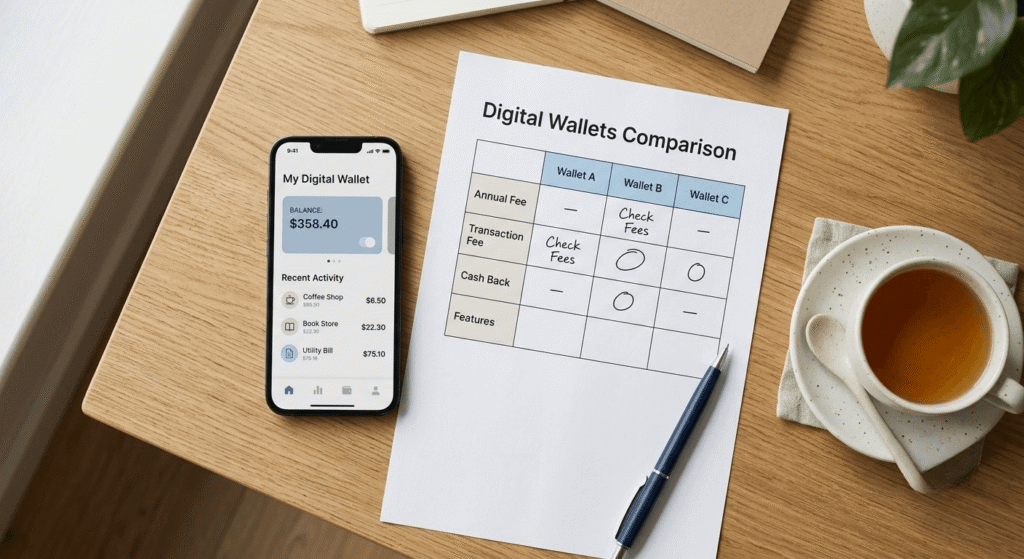
| Signal | Real Platform | Scam Pattern |
|---|---|---|
| Income promise | Realistic range, varies by task | Fixed daily amount, guaranteed |
| Upfront payment | Never required | “Activation” or “unlock” fee |
| Company info | Named team, real address | Anonymous, vague “AI company” |
| Withdrawal proof | Independent reviews on Reddit/YouTube | Screenshots only inside their own group |
| App permissions | Limited to the task itself | Full contacts, SMS, camera access |
| Payment method | Payoneer, verified bank, official JazzCash gateway | Personal bank account of an “admin” |
| Reviews | Mixed, handled openly | All 5-star, posted in a short burst |
| Exit policy | Clearly stated | Missing or buried in fine print |
Why AI Earning Scams Are Spreading Fast in Pakistan
Three trends are colliding, and beginners are caught in the middle.

Mobile-first internet growth. Millions of new users are coming online through a single smartphone, often with limited English, which makes polished AI ads feel more credible than they actually are.
Real AI income exists — so scams borrow its language. If you’re wondering what legitimate AI work actually looks like, read how to get freelance clients using AI instead of relying on random earning apps. Genuine remote work like image annotation, transcription, and chatbot testing is real. Scammers copy that exact vocabulary to sound legitimate.
JazzCash and Easypaisa familiarity is used as a trust signal. Fraudulent schemes mention these wallets by name specifically to sound local and safe, even when no real payout process exists behind them.
This is precisely why understanding AI earning scams in Pakistan matters more than ever in 2026 — the schemes are getting harder to distinguish from legitimate opportunities on the surface.
The 15-Point Verification Checklist
Go through these one at a time. If a platform fails three or more, walk away — this single rule prevents most AI earning scams in Pakistan from ever reaching your wallet or your data.
1. Do You Have to Pay Before Earning?
Legitimate AI work never charges you to start. Any “registration fee” or “unlock your dashboard” payment request is an instant red flag.
2. Is There a Real, Named Company Behind It?
Search the company name with “official website” and “founder.” A genuine business has a verifiable owner and consistent branding — not a Facebook page created two weeks ago.
3. Can You Find Independent Withdrawal Proof?
Search “[App Name] withdrawal proof” and “[App Name] scam” separately from the app’s own marketing. If every proof video exists only on the company’s channel, treat it as unverified. You should also understand how to withdraw Fiverr & Upwork earnings in Pakistan so you know what real payment methods look like.
4. Does the Income Promise Match Real Effort?
Ask yourself honestly: would any company pay this much for 15 minutes of tapping? Real AI training work pays small, variable amounts — never a guaranteed fixed daily salary. To set realistic expectations, explore this realistic AI earning timeline for beginners 2026 before trusting income claims.
5. What Permissions Does the App Request?
Check Play Store permissions before installing. A simple task app has no reason to request your contacts, SMS, or call logs.
6. Is It on an Official Store, or a Random APK Link?
Apps distributed only through Telegram or WhatsApp links skip every basic safety review that Google Play or Apple’s App Store perform. you can also review Google Play’s app-flagging policy to understand how official stores screen apps before listing them.”
7. Does It Pressure You With Urgency?
“Only 50 spots left” or countdown timers exist to stop you from researching before committing.
8. Are Testimonials Verifiable Real People?
Look for testimonials tied to real, searchable profiles. AI-generated “success story” videos are increasingly common — watch for unnatural blinking or voice mismatches.
9. Does It Claim Big Tech Partnerships?
Mentions of Google, OpenAI, or Meta with no verifiable link on those companies’ own sites is a manipulation tactic, not proof. You can also read OpenAI IPO 2026: What It Means for ChatGPT Users to understand how legitimate AI companies actually operate.
10. Is There a Clear, Working Support Channel?
Try contacting support with a basic question first. No response or a bot loop is a warning sign.
11. What Does the Refund or Exit Policy Say?
Genuine platforms explain how to close your account and what happens to your balance. If this information doesn’t exist anywhere, assume there’s no real intention of paying you.
12. How Old Is the Website or App Listing?
Check domain age through a free WHOIS lookup or the app’s release date in the store. A brand-new listing paired with heavy ad spend is a common combination in AI earning scams in Pakistan.
13. Does It Ask for Your CNIC or Bank Login Directly?
Real platforms need basic KYC only through secure, official channels — never CNIC images shared over chat, and never your banking password.
14. Are the Reviews Suspiciously Uniform?
A wall of identical 5-star reviews posted within days of each other usually signals purchased or incentivized reviews.
15. Would It Survive a 24-Hour Cooling-Off Test?
Wait one day before paying anything. Scam funnels are built to convert you in the moment. If it still looks solid after a day of thinking, it’s worth a small, cautious test — never your savings.
Some fake earning platforms use “AI tool access” claims to attract beginners, while genuine tools may only have regional restrictions. Learn how to identify free AI tools restricted in Pakistan versus unreliable platforms before signing up.
Real-World Case Study: The “Project Apollo AI” Pattern
A widely reported scheme marketed as an AI “paycheck” system promised large weekly payouts for a few minutes of daily work, borrowing credibility from major tech brand names and AI-generated spokesperson videos. It failed nearly every checkpoint on this list: no verifiable company, unrealistic fixed-income promises, fake authority signals, and zero independent withdrawal proof. This exact pattern — genuine AI vocabulary wrapped around an old-style pyramid pitch — is now spreading through Pakistani WhatsApp and Facebook groups, localized with JazzCash and Easypaisa branding to feel more trustworthy.
Many beginners are attracted by fake claims about easy AI income. Before choosing a skill, understand the realistic earning differences between services like AI writing and AI voiceover work in Pakistan.
Pakistan has also seen real enforcement action against this broader fraud category — including a task-based investment fraud raid that led to over a hundred arrests in Faisalabad in mid-2025 — confirming that AI earning scams in Pakistan and similar schemes are being actively tracked by law enforcement, not just online commentators.
Weighing the Upside and Risk of New AI Platforms
Pros of cautious early adoption:
- Genuine AI gig work — annotation, labeling, chatbot testing — is a real and growing income category, which you can explore further in our guide to earning with AI without investment.
- Early, verified platforms sometimes offer better rates before saturation.
- Low barrier to entry for mobile-only users.
If you’re starting from zero, this free AI tools for beginners 2026 step-by-step mobile guide will help you build real skills safely.
Cons and risks:
- New platforms have no track record to verify against.
- Scam funnels evolve quickly and copy real platforms’ exact language.
- Personal data shared with a fake app can be misused long after you stop using it.
Common Mistakes Beginners Make
- Trusting a platform simply because a friend or relative shared it.
- Rushing past a quick background check just to save a few minutes.
- Assuming JazzCash or Easypaisa branding in an ad means the platform itself is verified — check our JazzCash and Easypaisa payment guide for beginners to understand how real payment integrations actually work.
- Ignoring app permissions because “everyone accepts them anyway.”
- Paying a small “activation fee” because it feels too small to matter.
Each of these habits, on their own, is how AI earning scams in Pakistan quietly succeed.
Before installing anything, check these 5 free AI tools that actually work in 2026 without VPN or credit card.
Expert Recommendation
Treat every new AI earning opportunity as unverified until it passes independent checks — not checks the platform itself provides. Start with zero financial risk: no fees, no shared documents, no bank logins. Only after a platform earns trust through independent, verifiable withdrawal proof should you invest more time or effort.
The safest approach is to use trusted platforms first, which you’ll find in our best free AI tools for students in Pakistan 2026 guide.
This approach mirrors standard due-diligence practice used by consumer-protection researchers and cybersecurity analysts worldwide, simply adapted here to Pakistan’s mobile-first, JazzCash and Easypaisa payment reality. If you’re just starting out, pair this checklist with our guide on free AI tools that don’t require a credit card so your first steps into AI-based income stay both safe and genuinely useful.
For official reporting, Pakistan’s FIA Cyber Crime Wing (NR3C) handles complaints related to online fraud, and the FTC’s ReportFraud portal documents global AI scam patterns that increasingly mirror what’s appearing locally.
FAQs: People Also Ask
Is it safe to give my CNIC to an AI earning app? Only through an official, secure KYC process required by a regulated payment processor — never through chat or casual forms.
Can AI earning apps really pay through JazzCash or Easypaisa? Yes. Legitimate platforms often route payments through Payoneer or bank transfer, which you then move to JazzCash or Easypaisa. Be cautious of apps claiming direct payout with no processor behind them.
How do I report an AI earning scam in Pakistan? Report the app to the Google Play Store or Apple App Store directly, and file a complaint with the FIA’s Cyber Crime Wing (NR3C) or find your nearest FIA regional office contact details to file in person.
What should I do if I already paid a scam app? Contact your bank or wallet provider immediately, stop recurring payments, change your passwords, and document all communication as evidence.
Are all AI training or annotation jobs scams? No. Genuine AI data-work platforms exist and pay modest, real amounts. The scam pattern specifically involves inflated, guaranteed income claims — not the job category itself.
How can I tell if withdrawal proof screenshots are fake? Watch for inconsistent fonts, mismatched app versions, or amounts that don’t match the platform’s stated payout range. Independent proof from unrelated users is far more reliable than screenshots the platform shares itself.
Is a brand-new app automatically a scam? Not automatically, but a new app combined with big income promises and no verifiable company information is high-risk. Test with zero financial exposure first. This exact combination is the most reliable warning sign across nearly all AI earning scams in Pakistan today.
Conclusion
Spotting AI earning scams in Pakistan doesn’t require technical expertise — it requires a consistent habit of checking before trusting. Run any new opportunity through this 15-point checklist: verify the company, question the income promise, check app permissions, search for independent proof, and never pay to start.
As AI-based income opportunities keep growing through 2026, the platforms that survive scrutiny will be the ones transparent enough to welcome it. Bookmark this checklist, share it with someone just starting their online earning journey, and make verification against AI earning scams in Pakistan your first step — every single time. Once you know how to avoid scams, the next step is learning how to start AI freelancing in 2026 with no experience, no laptop, and no investment.